Environmentally Responsible E-Waste Disposal: Your Comprehensive Guide to Responsible Recycling
Eco-friendly e-waste disposal is a critical topic in today's technology-driven world. As electronic devices become obsolete, their irresponsible discarding creates serious hazards to both ecological systems and community well-being. Recognizing the value of conscientious recycling efforts is imperative. The following overview provides actionable measures for recognizing reusable components and readying devices for proper disposal. Nevertheless, numerous individuals fail to recognize the far-reaching consequences of e-waste management on community economies and green sustainability programs. How can everyday people contribute to addressing this urgent challenge?
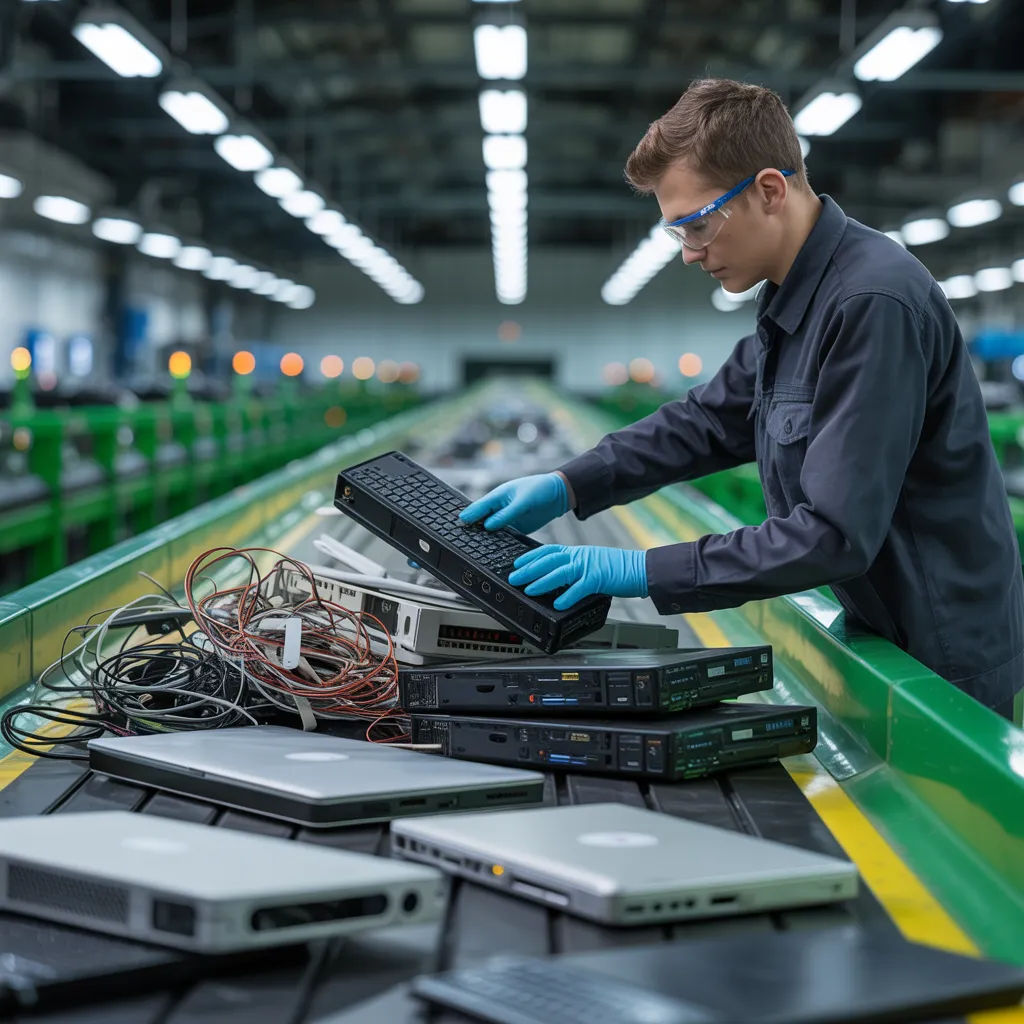
How E-Waste Disposal Impacts the Environment
Proper e-waste disposal is essential for environmental well-being, as mishandling can result in considerable damage to the ecosystem. Electronic devices often contain hazardous materials such as lead, mercury, and cadmium. When e-waste is discarded in landfills, these harmful substances can seep into the ground and water supplies, presenting serious threats to both human health and wildlife. Moreover, the mounting pile of e-waste intensifies the worsening pollution crisis, placing pressure on natural resources and delicate ecosystems.
Moreover, the worldwide need for fresh electronics accelerates the pattern of e-waste accumulation. By adopting responsible disposal practices, such as repurposing or recycling, precious materials can be retrieved, decreasing the demand for raw material harvesting. This not only saves energy but also mitigates environmental harm. At the core, effective e-waste management practices are critical for protecting the planet and fostering sustainable progress, emphasizing the importance of collective responsibility in tackling this urgent issue.
Understanding Recyclable E-Waste
Identifying recyclable electronic waste demands knowledge of typical devices like aging computers, mobile phones, and televisions. Being aware of the harmful substances found within these devices is critical for proper recycling and safe disposal. Additionally, complying with community recycling standards ensures that electronic waste is processed responsibly and effectively.
Frequent E-Waste Materials
Numerous electronic devices contribute to the increasing issue of e-waste, making it necessary to recognize which items can be recycled. Typical e-waste consists of outdated laptops, computers, smartphones, and tablets, as well as accessories like keyboards, mice, and printers. Cathode ray tube televisions, along with other older TV models, are similarly categorized as e-waste. Other recyclable items are gaming consoles, digital cameras, and a range of smaller electronic gadgets, such as headphones and chargers. Domestic appliances including microwaves and refrigerators may likewise harbor recyclable elements. Knowing which products are classified as e-waste empowers people to handle their disposal in a responsible manner, helping to mitigate environmental impact while promoting sustainable practices in electronics recycling.
Understanding Hazardous Materials
Understanding the toxic materials present in electronic devices is crucial for responsible e-waste disposal. Many common electronics include substances like lead, mercury, cadmium, and brominated flame retardants, which can pose risks to human health and the environment. For instance, lead is commonly located in circuit boards and glass of cathode-ray tubes, while mercury is often detected in fluorescent lamps and batteries. Identifying these materials allows individuals to reach informed decisions about disposal. Familiarity with hazardous components is critical not only for personal safety but also for limiting environmental impact. Correct identification confirms that e-waste is channeled toward specialized recycling facilities capable of managing these materials, thereby encouraging responsible disposal methods and preserving natural resources.
Community Recycling Rules
By adhering to local recycling regulations, individuals can gain a clearer understanding of which electronic devices are classified as recyclable. Generally, items such as aging computers, TV sets, and mobile phones fall Find now under this designation. Local regulations often indicate that devices containing dangerous components, like lead or mercury, must be disposed of responsibly. It is critical to consult local waste management websites or community publications for dedicated recycling initiatives, as these regulations can vary greatly by region. Many municipalities offer designated drop-off locations or planned pickup events to support proper disposal. Moreover, manufacturers may offer take-back initiatives, encouraging consumers to hand in old electronics. By following these local policies, individuals support environmental preservation and the safe processing of electronic devices.
Discovering E-Waste Recycling Centers in Your Area
How might someone successfully identify local e-waste recycling centers? One efficient method is to utilize online resources. Digital resources including Earth911 and the Electronics TakeBack Coalition offer searchable directory tools, enabling individuals to enter their zip codes and discover local recycling facilities. Furthermore, local government websites often have dedicated sections for waste disposal, including e-waste recycling programs.
Local gatherings, such as e-waste collection drives, are an additional option to consider. Regional eco-friendly groups often coordinate these occasions, supplying locals with a hassle-free method to dispose of their electronics in an eco-friendly manner.
Social media channels may also function as beneficial instruments. Community groups may share information about nearby recycling initiatives.
In addition , individuals can contact local electronic shops , as most offer take-back programs for used gadgets . By taking advantage of these options , people can ensure their unwanted electronics are processed in an sustainable way .
How to Prepare Your Electronics for Recycling
When preparing electronics for repurposing, safeguarding personal data is of utmost importance. Device owners should first back up valuable information before moving forward to eliminate any personal data from the equipment. This guarantees that confidential information is not compromised during the repurposing process.
Back Up Data Securely
Before recycling electronics, it is important for users to confirm their data is safely backed up. The process requires identifying essential files, documents, and media saved on devices. By utilizing dependable cloud storage services or external hard drives, users can move critical information to protect it from being lost. It is important to sort and organize files ahead of time to make the backup process more efficient. Conducting frequent backups helps guarantee that no valuable data is left unaccounted for. Furthermore, users should check the integrity of their backed-up data to ensure the transfer was completed successfully. By taking these steps, individuals can minimize the risk of losing important information while preparing their electronics for recycling. This preventative strategy not only secures personal data but also supports environmentally responsible e-waste disposal habits.
Remove Personal Information
Guaranteeing personal information is removed from electronics is a vital step in preparing devices for recycling. People should first conduct a factory reset on smartphones, tablets, and computers, which restores devices to their original settings and erases stored data. For extra security, it is wise to employ data-wiping programs that adhere to industry benchmarks, making sure that all files are permanently unrecoverable. Additionally, extracting SIM cards and memory cards is crucial, as these parts frequently store sensitive data. After clearing the data, physical dismantling of hard drives should be considered for those who prioritize maximum security. By adhering to these guidelines, individuals can safely recycle their devices without fear of compromising personal information, contributing to a more secure and eco-friendly recycling process.
Exploring the Effects of E-Waste Recycling
E-waste recycling serves a critical function in reducing the environmental consequences of discarded electronic devices. As global consumption of electronics rises, so too does the quantity of discarded electronics, which can include toxic materials such as lead, mercury, and cadmium. Proper recycling processes guarantee that these materials are carefully removed and handled, preventing soil and water contamination.
Furthermore, electronic waste recycling protects valuable materials by reclaiming valuable metals and components, reducing the need for extracting and producing new materials. This not only decreases carbon output connected to manufacturing but also diminishes the energy consumption linked to the extraction of resources.
Additionally, well-designed recycling schemes can boost community economies by fostering employment opportunities in processing, collection, and sorting operations. By understanding the profound benefits of electronic waste recycling, people and communities can support a sustainably focused future, cultivating a regenerative economic framework that focuses on the efficient use of resources and environmental preservation.
Ways to Minimize E-Waste in Your Everyday Life
As understanding of the environmental effects of electronic waste expands, consumers are actively searching for strategies to lessen their impact on this global challenge. A practical approach is to prolong the life of gadgets by choosing repairs over replacements. Routine upkeep, including software updates and cleaning, can further extend the functionality of devices.
One additional method entails making well-considered buying choices. Buyers are urged to opt for superior products valued for their durability and energy efficiency. Moreover, selecting items with limited packaging can substantially cut down on waste.
Digital cleanup can further contribute to minimizing e-waste. By consistently eliminating unused apps and files, users can enhance their device efficiency and prolong their relevance. Moreover, promoting a culture of sharing or borrowing electronics rather than buying new products builds a more eco-conscious community. Combined, these methods can substantially address the e-waste crisis and support mindful usage practices.
Frequently Asked Questions
What Types of Electronics Are Considered E-Waste?
E-waste consists of unwanted electronics including tablets, smartphones, computers, televisions, batteries, and printers. Products that are broken, outdated, or no longer needed contribute to this category, posing environmental hazards when improperly discarded.
Are E-Waste Recycling Services Subject to Fees?
Numerous e-waste disposal services impose fees, particularly for bulkier items or specific materials. That said, various local initiatives might provide free drop-off, incentivizing proper recycling while supporting responsible handling of unwanted electronics.
Can I Donate Old Electronics Instead of Recycling?
Absolutely, contributing old devices is frequently a practical solution to traditional recycling. Many nonprofits welcome working devices, allowing them to be reused while assisting neighborhoods. However, making sure the items satisfy donation requirements is crucial for maximum impact.
How Is E-Waste Recycled Into New Products?
E-waste is recycled into new products using methods that encompass shredding, separating materials, and refining metals. Valuable components like gold, copper, and plastic are recovered, enabling their reuse in manufacturing and reducing environmental impact.
What Happens to E-Waste That Isn't Recycled Properly?
Electronic waste that fails to be recycled correctly frequently finds its way into landfills, releasing toxic substances into the environment. Such pollution presents serious health hazards to both humans and animals, with important materials being wasted, adding to the ongoing problem of resource exhaustion.